Overview
Challenges Facilities Face Before Emergency Cleaning Services
Home Unexpected incidents—hazardous spills, leaks, floods, biohazards, or debris-related accidents—can disrupt operations instantly. Contaminants spread rapidly, odours intensify, and moisture begins damaging materials within hours. Without proper containment, unsafe conditions escalate, liabilities increase, and staff productivity drops. Many facilities lack the specialized tools, PPE, or regulated waste-handling procedures required for these situations. Delayed action only worsens the impact, allowing mould to form, bacteria to multiply, and equipment or infrastructure to sustain deeper damage.
Typical issues include If these challenges sound familiar Why Emergency Cleaning Matters for Business Continuity
Arelli’s emergency cleaning services resolve these risks through a structured, rapid-response system designed for urgent environments. Teams conduct fast assessments, establish containment, remove hazards, and restore affected areas using EPA-authorized disinfectants, industrial extractors, and HEPA-filtered equipment. Proper PPE and biohazard-compliant methods ensure contaminants are handled safely and in accordance with regulatory standards. This approach reduces downtime, improves safety, and helps facilities return to normal operations with confidence.Emergency cleaning services can help stabilize the situation and support a safer reopening.Call us today to discuss your emergency cleaning needs.Emergencies are unpredictable, but your response shouldn’t be. Whether caused by weather events, accidental spills, sewage backups, fire residue, or hazardous waste, the ability to quickly restore a safe environment keeps your business functioning and reduces long-term damage.
High-risk situations, if not addressed immediately, can lead to:
Health hazards for employees
Cross-contamination within the building
Structural or moisture-related damage
Strong odours or airborne pollutants
Regulatory violations
Increased downtime and financial loss
How Professional Emergency Cleaning Works
Emergency cleaning acts as the stabilizing force between incident and recovery—helping businesses return to operations without compromising safety or compliance.Emergency cleaning follows a structured, safety-first workflow to manage risks, contain damage, and restore the environment efficiently.
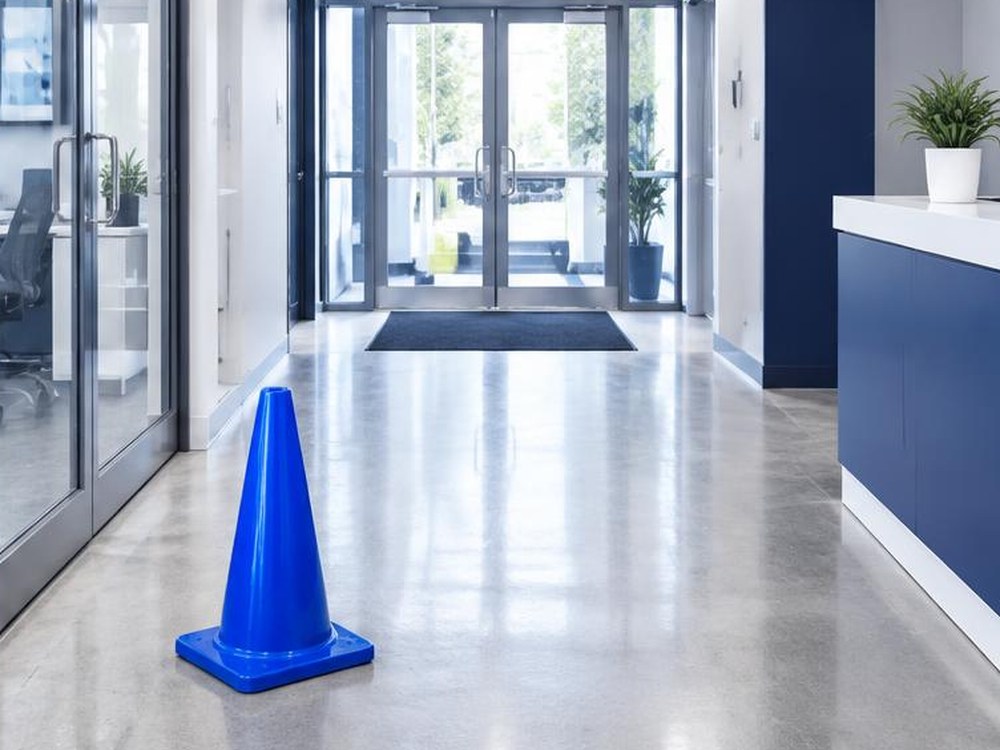
The team inspects the affected area, identifies risks, and installs barriers as needed. Safety of occupants and responders is prioritized at every step.
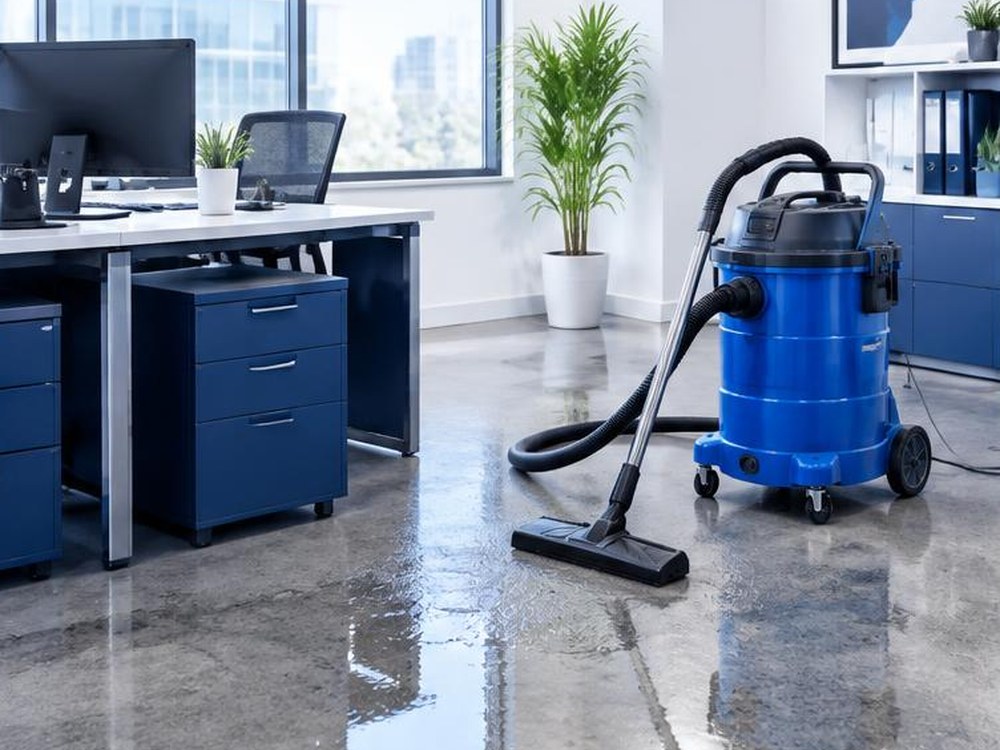
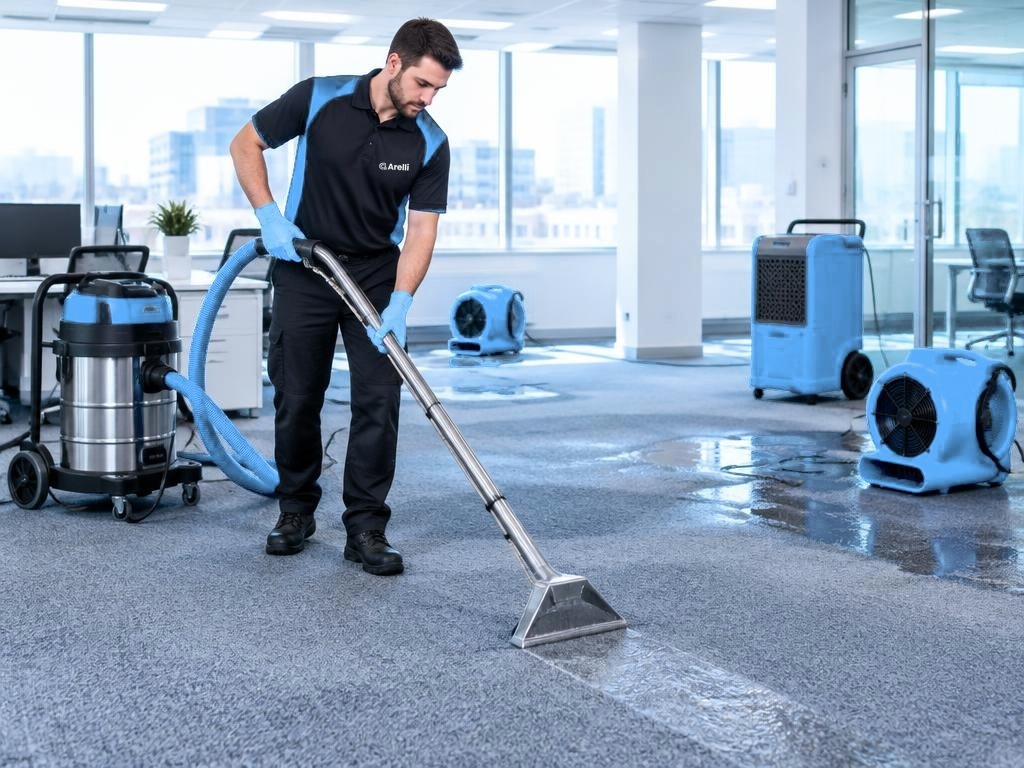
Waste, debris, and contaminated materials are removed using specialized equipment such as:
Containment prevents airborne and surface-level contaminants from spreading to unaffected areas.
Most emergency cleanups focus on four core tasks:
Technicians follow EPA-authorized disinfectant protocols and wear PPE to ensure compliance and safety.All affected areas are thoroughly disinfected, sanitized, and deodorized according to industry regulations. This removes harmful residues, microbes, and odours, making the space safe for re-entry.A comprehensive walkthrough ensures that:
Chemical neutralizers
Air scrubbers
HEPA vacuums
Industrial extractors
Negative air machines
Extracting water (floods, leaks)
Disinfecting biohazards (bodily fluids, chemical spills, hazardous waste)
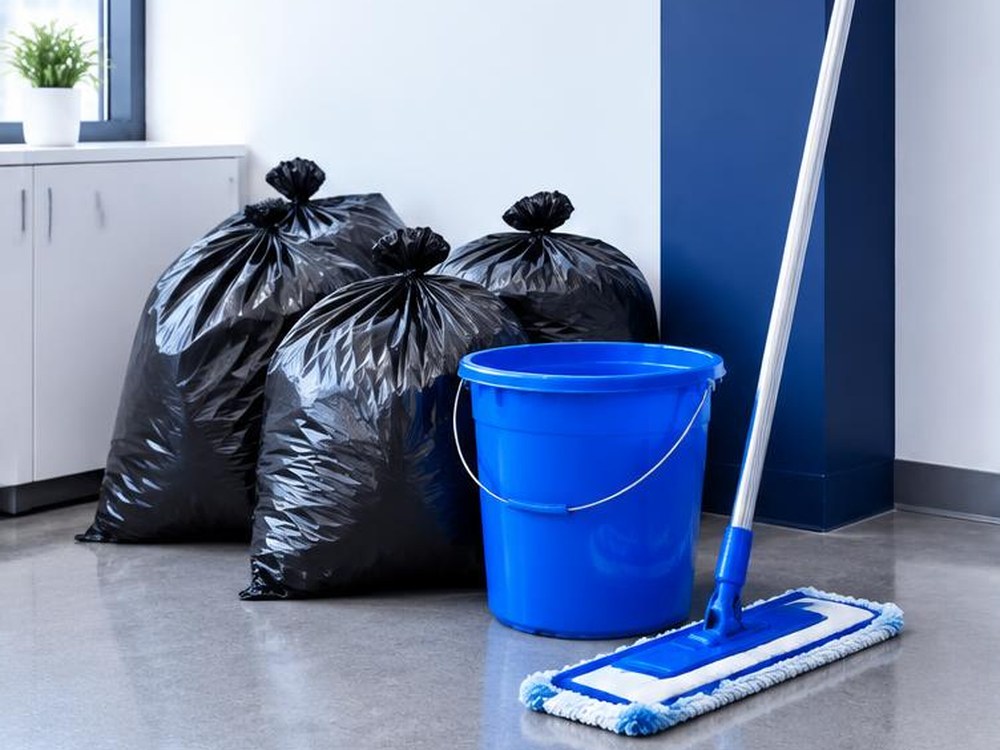
Removing debris (accidents, breakage, post-event cleanup)
Eliminating odours (smoke, mould, spill-related smells)
All contaminants are removed
No odours or residues remain
Spaces are safe, functional, and compliant
The facility matches its pre-incident condition as closely as possible
Determining When Emergency Cleaning Is Needed
Documentation may be provided for insurance or regulatory requirements.Certain industries—such as food production, healthcare, and manufacturing—face higher risks and more frequent emergency events due to the nature of their operations. Any of the following conditions should trigger an immediate emergency cleaning response:
Hazardous spills
Flood or water intrusion
Fire or smoke damage
Biohazard contamination
Structural debris
Dangerous odours
Chemical exposure
Sudden sanitation failures
Cost of Emergency Cleaning Services
Fast action is essential to containing damage and preventing health hazards.Emergency cleaning costs vary widely because every incident is different. Factors affecting pricing include:
Minor incidents may cost a few hundred dollars, while major biohazard or disaster-related cleanups can range into the thousands. After an initial assessment, Arelli provides an estimate that clearly outlines expected work and required resources, helping businesses make informed decisions during stressful moments.
The type of emergency (flood, biohazard, chemical spill, fire residue)
Severity and size of the affected area
Required equipment (HEPA vacuums, extractors, air scrubbers)
Type of disinfectants and neutralizers needed
Complexity of containment and waste handling
Eco-Friendly Methods and Safe Waste Management
Emergency cleaning must protect both occupants and the environment. Arelli prioritizes the use of:
Eco-friendly, EPA-certified cleaning agents
Non-toxic neutralizers
Microfiber systems to reduce waste
HEPA-filtered equipment to improve air quality
Documentation, Reporting, and Insurance Support
Proper ventilation is maintained throughout the cleanup to prevent buildup of harmful gases. Waste removal is handled according to regulatory standards to eliminate potential hazards. Whether managing biohazards, chemical byproducts, or flood-damaged materials, Arelli ensures safe, responsible disposal practices to keep your facility and the surrounding environment protected.Emergency events often require detailed reporting for insurance claims or compliance audits. Arelli provides documentation such as:
Cleaning procedures
Materials and disinfectants used
Damage observations
Waste-handling records
Final inspection notes
Training, Safety, and Crisis Preparedness
These reports help support insurance claims, validate regulatory compliance, and provide clarity for internal recordkeeping. Thorough documentation also ensures transparency and accountability throughout the entire response process.Handling emergencies requires more than routine cleaning skills—it requires composure, awareness, and specialized training. Arelli invests continuously in:
PPE and safety-protocol training
Biohazard handling certification
Crisis communication skills
Emergency workflow simulations
Equipment operation training
Fast Response When Emergencies Disrupt Your Facility Knowing the Cleanup Was Done Right
This preparation enables cleaning teams to work effectively under pressure, minimizing risk and ensuring that every step—assessment, containment, removal, sanitization, restoration—is executed safely and correctly. When you partner with Arelli, you’re backed by crews who are trained for unexpected situations and know how to restore order quickly and professionally.Rapid, reliable cleaning solutions to restore safety and minimize downtime.
A properly handled emergency cleanup leaves no residue, no odours, and no visible contamination. Facilities should look the same—or better—than before the incident. Final checks typically include:
Professional cleaners often use checklists and verification tools such as ATP meters to confirm compliance with industry standards. These methods provide measurable reassurance that the cleanup has been done correctly and the facility is safe to re-enter.
Why Choosing Arelli for Emergency Cleaning Matters
Emergencies require fast, decisive action—and a cleaning partner who knows how to respond with precision. Arelli delivers:
Rapid deployment of trained local crews
Specialized equipment for urgent situations
EPA-approved disinfectants
Industry-aligned protocols
Clear communication and documentation
Flexible support for insurance and compliance
Restore Safety Fast With Professional Emergency Cleaning Why Businesses Across the GTA Trust Arelli in Emergencies
From floods and spills to fire damage and biohazards, our teams work with safety, accuracy, and urgency. With Arelli, you’re never alone when the unexpected happens—we help restore order quickly so your business can move forward confidently.Skilled crews, advanced equipment, and fast response times—ready when you need us.When emergencies strike, you need a cleaning partner you can rely on. Arelli provides trained technicians, proven workflows, and dependable communication. Our non-franchise model means every crew is accountable and supported by field supervisors dedicated to quality and safety.
FAQs
From small incidents to large-scale disruptions, we help minimize downtime and restore your facility with care and precision.
Frequently Asked Questions
Ready to Restore Your Workspace After an Emergency?
Emergency cleaning should be requested immediately after any incident involving hazardous spills, flooding, sewage backups, biohazards, fire residue, chemical exposure, or debris that may impact safety or operations. Fast action prevents damage from spreading and reduces downtime, helping facilities return to normal operations safely and efficiently.Situations involving water intrusion, bodily fluids, hazardous waste, chemical spills, fire or smoke damage, strong odours, or structural debris typically require trained technicians. These incidents demand specialized equipment, PPE, regulated waste-handling, and validated cleaning methods not used during regular janitorial routines.Depending on the incident, cleaners use HEPA vacuums, industrial extractors, chemical neutralizers, air scrubbers, negative air machines, moisture meters, drying equipment, and EPA-certified disinfectants. This equipment ensures contaminants are removed safely and the environment is restored to acceptable conditions.A properly completed cleanup leaves no visible contaminants, odours, stains, or moisture. Verification may include ATP testing, post-cleaning inspections, and documented checklists. The facility should appear clean, safe, and ready for occupancy—matching or exceeding its pre-incident condition.Yes. Professional cleaning companies often provide detailed documentation—including materials used, steps taken, damages observed, and photos—which can be essential for insurance claims and compliance reports. This ensures transparency and supports faster claim resolution.Acting quickly is essential—our teams respond fast to help you return to safe, normal operations.