Overview
Where Commercial Kitchen Cleaning Makes the Biggest Difference
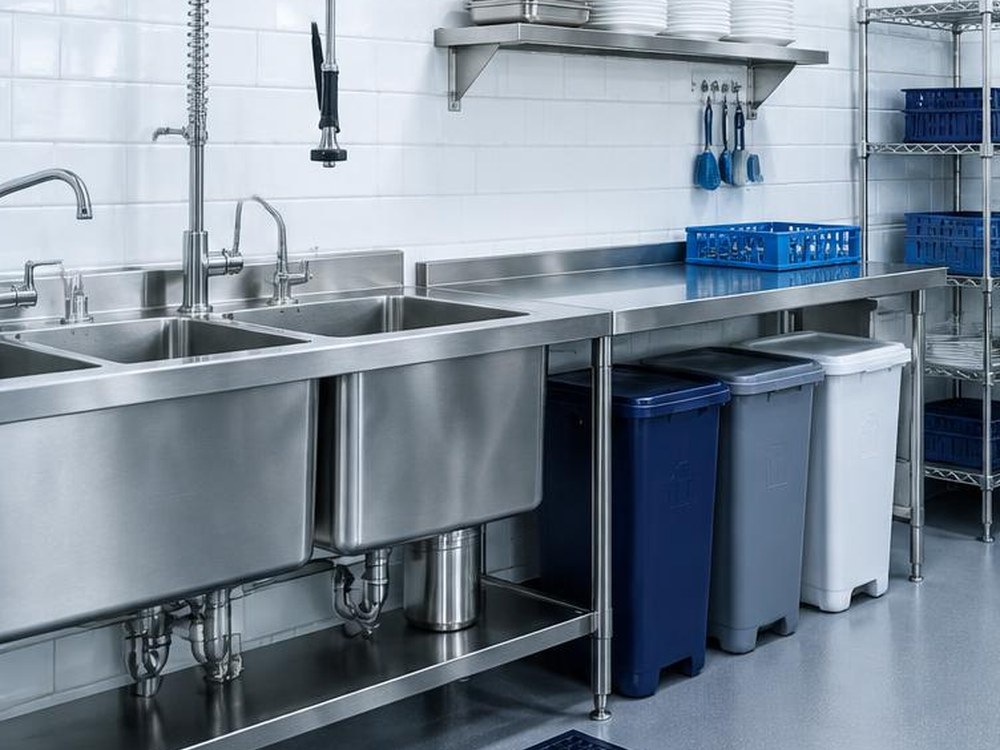
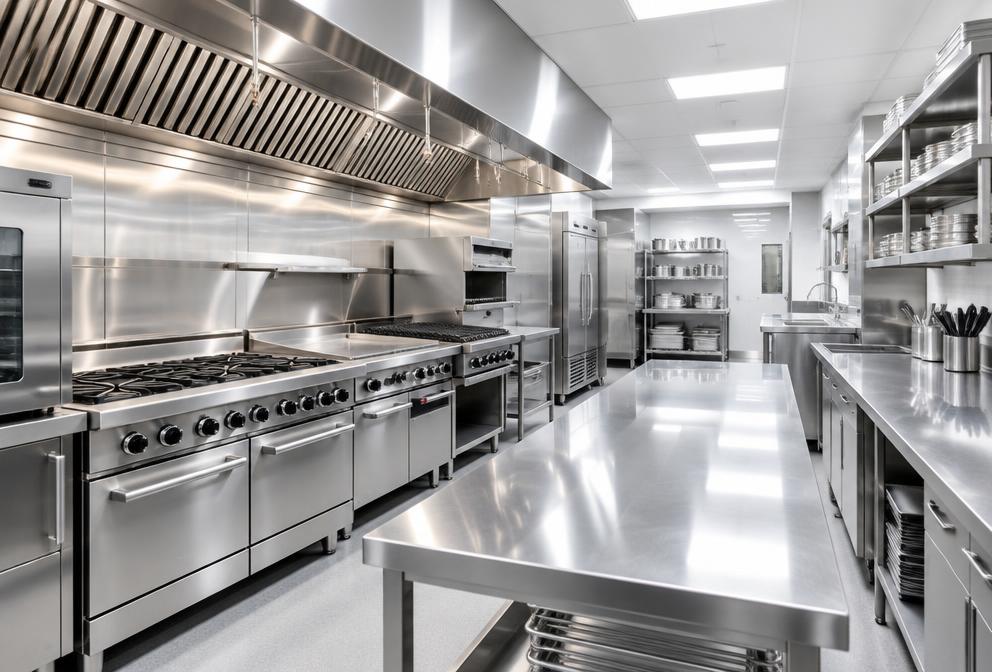
Home Commercial kitchens face complex sanitation challenges that extend far beyond visible messes. Grease accumulates on hoods, vents, appliances, and splash zones, creating significant fire hazards. Food particles, carbonized residue, airborne oils, and moisture settle on equipment, prep tables, and walls—attracting pests and compromising hygiene. Floors become slick with grease mist and spills, increasing the risk of slips, falls, and staff injuries. Hard-to-reach areas behind equipment, under lines, and inside ventilation pathways collect hidden contaminants that routine staff cleaning simply cannot address.
Typical issues include A structured kitchen cleaning program How Deep Cleaning Protects Your Staff and Foodservice Operation
Arelli resolves these issues through structured, inspection-aligned cleaning processes. Trained technicians remove grease from hoods and vents using fire-safety-focused methods, detail prep surfaces with appropriate detergents, deep-clean appliances, and restore floors using commercial-grade degreasers. Hidden areas are exposed, cleaned, and sanitized to maintain compliance, reduce risks, and support efficient, interruption-free kitchen operations. With Arelli’s approach, your kitchen stays cleaner, safer, and consistently ready for inspections.Helps restore safety, hygiene, and operational efficiency.Call us today to discuss your commercial kitchen cleaning needs.Commercial kitchens operate under constant pressure: high heat, continuous cooking, food splatter, and airborne grease. These conditions create a fast-moving environment where contaminants accumulate quickly. Deep cleaning reduces safety hazards, prevents cross-contamination, controls odours, and supports your team’s ability to work safely and efficiently.
What a Full Commercial Kitchen Cleaning Service Includes
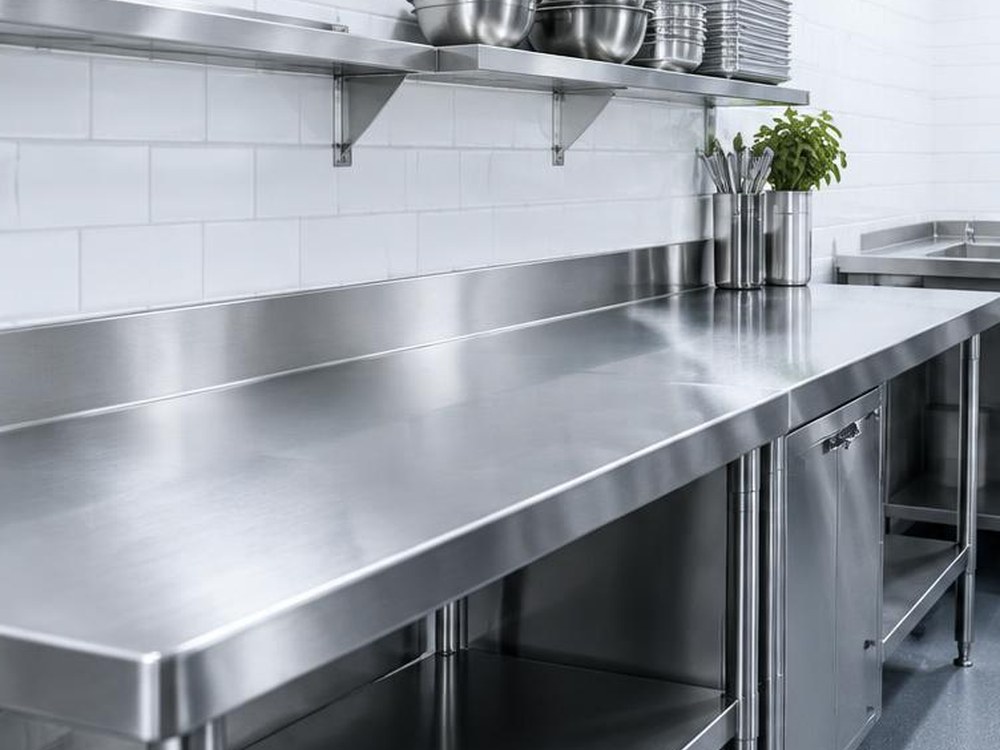
Routine, high-quality cleaning also improves health inspection outcomes and reinforces your facility’s commitment to food safety.Even with a disciplined daily cleaning routine, many surfaces in a commercial kitchen require deeper attention. Professional kitchen cleaning programs typically include:countertops, splashbacks, prep tables, stainless steelhoods, filters, ductwork, fans, and plenums
ovens, grills, fryers, ranges, combi ovens, warmers
Restore Safety & Performance Hood, Vent, and Exhaust Cleaning that Reduces Fire Risk
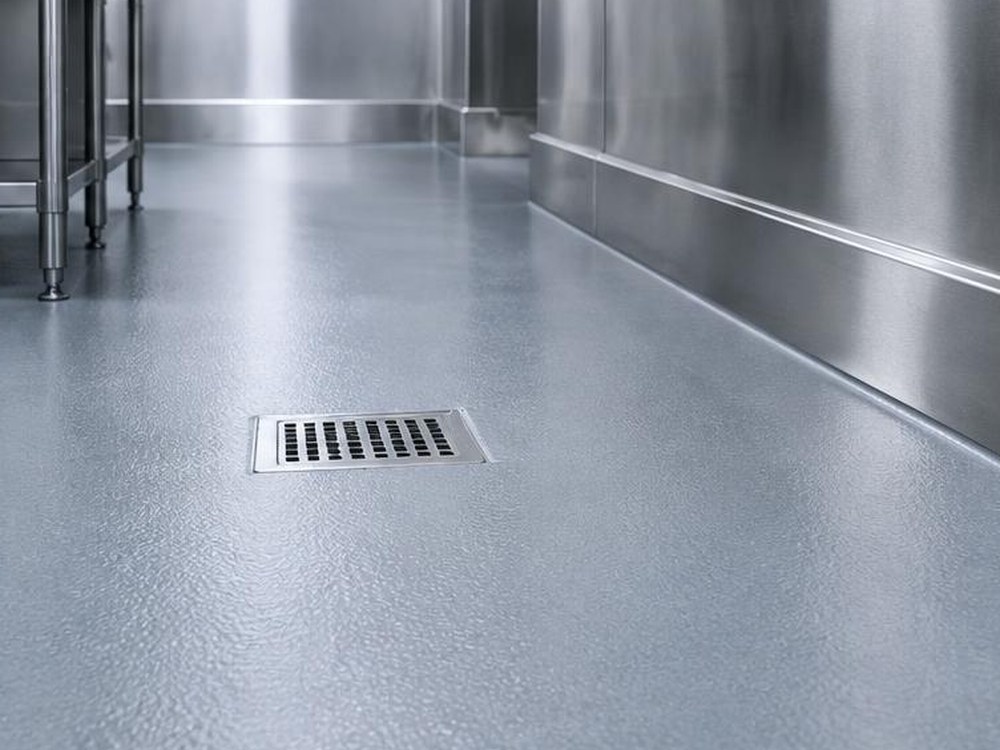
handles, switches, controls, walk-in coolers & freezer doorsmachine scrubbing, degreasing, drain detailingbeneath appliances, behind lines, around vents, inside hard-to-reach areasThe result is a cleaner, safer kitchen prepared for inspection and daily operation.Cooking equipment stays safer and lasts longer with professional degreasing.Grease buildup inside exhaust systems is one of the most dangerous fire hazards in commercial kitchens. Over time, grease-coated hoods, filters, ducts, and fans ignite easily under high heat. Arelli’s fire-safety-focused cleaning process includes:
Scraping and removing hardened grease
Cleaning hood interiors & exteriors
Degreasing & servicing filters
Cleaning accessible ductwork and exhaust components
How Often a Commercial Kitchen Should Be Professionally Cleaned
This process improves ventilation, reduces smoke and odours, and aligns with NFPA fire-safety guidance.Cleaning frequency depends on usage, menu type, and kitchen volume:
Daily – Staff Cleaning
Weekly / Monthly – Scheduled Deep Cleaning
High-Use Kitchens (weekly deep cleaning)
Restaurants, hotels, and institutional kitchens require more frequent deep cleaning.
Lower-Use Kitchens (monthly deep cleaning)
Limited-service environments may deep clean monthly with strong daily routines.
Standard wipe-downs
Tool & utensil cleaning
Surface sanitization
Basic floor cleaning
Appliances
Splash zones
Walls, floors, hidden areas
Ongoing Maintenance for Filters, Vents & Exhaust Systems
NFPA guidelines and industry standards identify hood and vent systems as critical fire-prevention mechanisms. Routine maintenance includes:
Visual hood & filter inspections
Filter cleaning or replacement
Scheduled hood, filter & duct cleaning based on risk and kitchen use
Reduce Fire Risks Instantly What Affects the Cost of Commercial Kitchen Cleaning Eco-Friendly Commercial Kitchen Cleaning Options
Proper ventilation improves air quality, supports staff comfort, and reduces equipment strain.Prevent fires, improve ventilation, and keep your kitchen inspection-ready.Pricing depends on several operational and environmental factors:Busy or neglected kitchens require more labour and deeper restoration.A successful plan includes:
Safer, high-performance degreasers
Low- or no-VOC solutions
Steam cleaning where applicable
Microfibre cleaning systems
Environmentally responsible grease & waste handling
How to Confirm Your Commercial Kitchen Was Cleaned Properly
These practices improve indoor air quality and align with sustainability goals.
A well-cleaned kitchen should show:
Professional providers may also supply:
Degreased surfaces & equipment
Clean hood exteriors
Non-slip, residue-free floors
Sanitized high-touch points
Neutral, fresh, non-greasy odour
Completion checklists
Manager walkthroughs
Verification or testing (for sensitive environments)
Operational Advantages of Professional Kitchen Cleaning
Professional cleaning supports:
Longer equipment lifespan
Improved air circulation
Reduced fire risk
Better inspection outcomes
Enhanced staff safety
Stronger brand confidence
How Arelli Meets Industry Standards
Arelli’s commercial kitchen cleaning programs are built around best practices and industry expectations for cleanliness, safety, and hygiene. Our approach includes:
Clear, documented processes for surface, equipment, and floor cleaning
Fire-safety-conscious hood and vent cleaning through specialized services
Focus on high-touch surfaces and cross-contamination control
Use of appropriate chemicals, tools, and PPE for kitchen environments
Support for clients following health, safety, and food-handling standards
FAQs
Whether your facility needs routine support or a deep reset, the goal is the same: a cleaner, safer, more compliant kitchen that supports your foodservice operation.
Frequently Asked Questions
Ready to Improve Your Commercial Kitchen Cleaning Program?
Professional cleaning covers degreasing prep areas, appliances, floors, splash zones, hood systems, vents, filters, and hidden areas behind and beneath equipment.Daily staff cleaning is essential, with weekly or monthly deep cleaning depending on kitchen volume, menu type, and regulatory expectations.Grease buildup in exhaust systems can ignite easily. Routine hood, filter, and duct cleaning reduces fire hazards and supports ventilation.Pricing varies based on kitchen size, grease levels, number of appliances, exhaust cleaning needs, and frequency of service.Yes. Eco-focused programs use low-VOC products, steam cleaning, microfiber systems, and responsible grease and waste handling.Maintaining a safe, sanitary, and compliant kitchen is essential to any food and hospitality business. With the right commercial kitchen cleaning partner, you can stay ahead of inspections, reduce fire and safety risks, and give your team a cleaner space to work in.