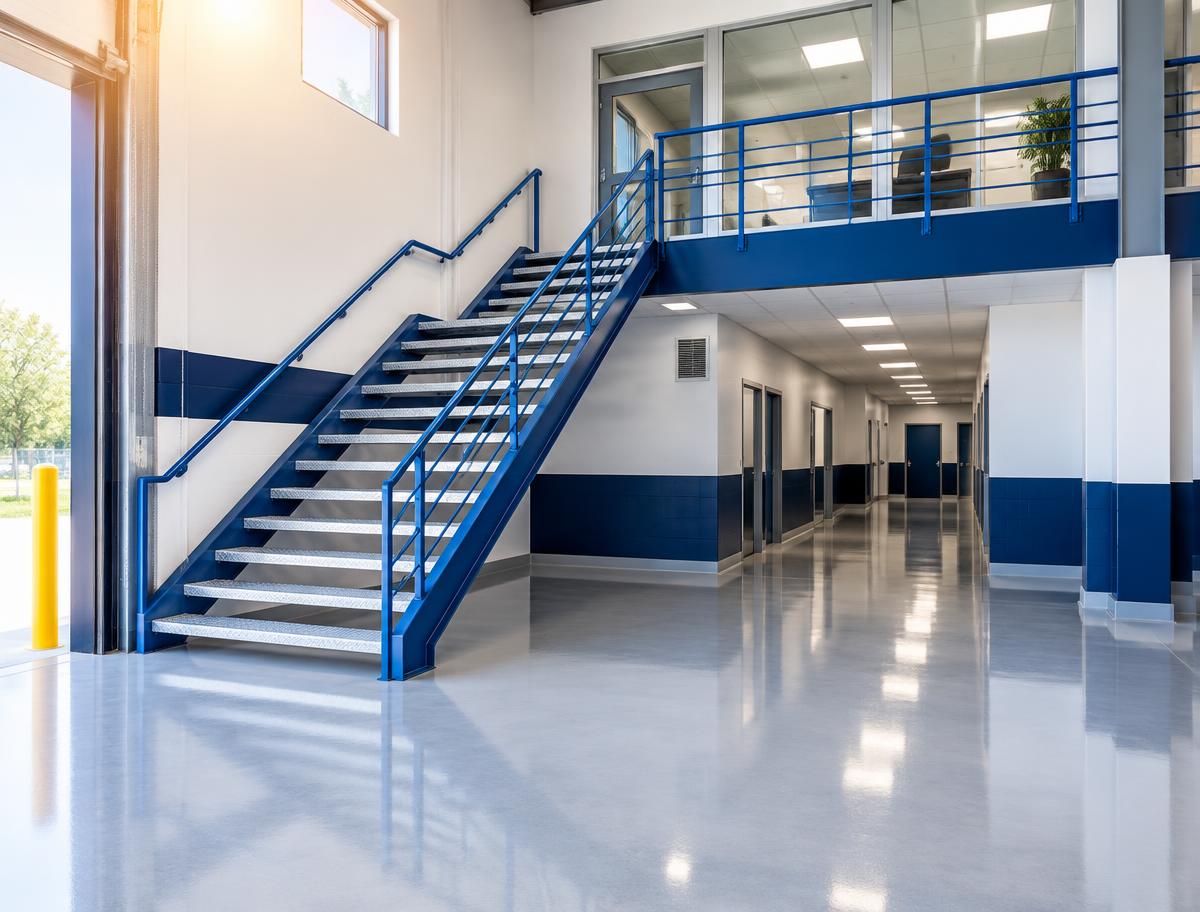
Warehouse and distribution centers operate on precision timing, high throughput, and shifting volumes. Cleaning schedules are designed to support continuous operations while protecting safety, visibility, and equipment condition across every zone.
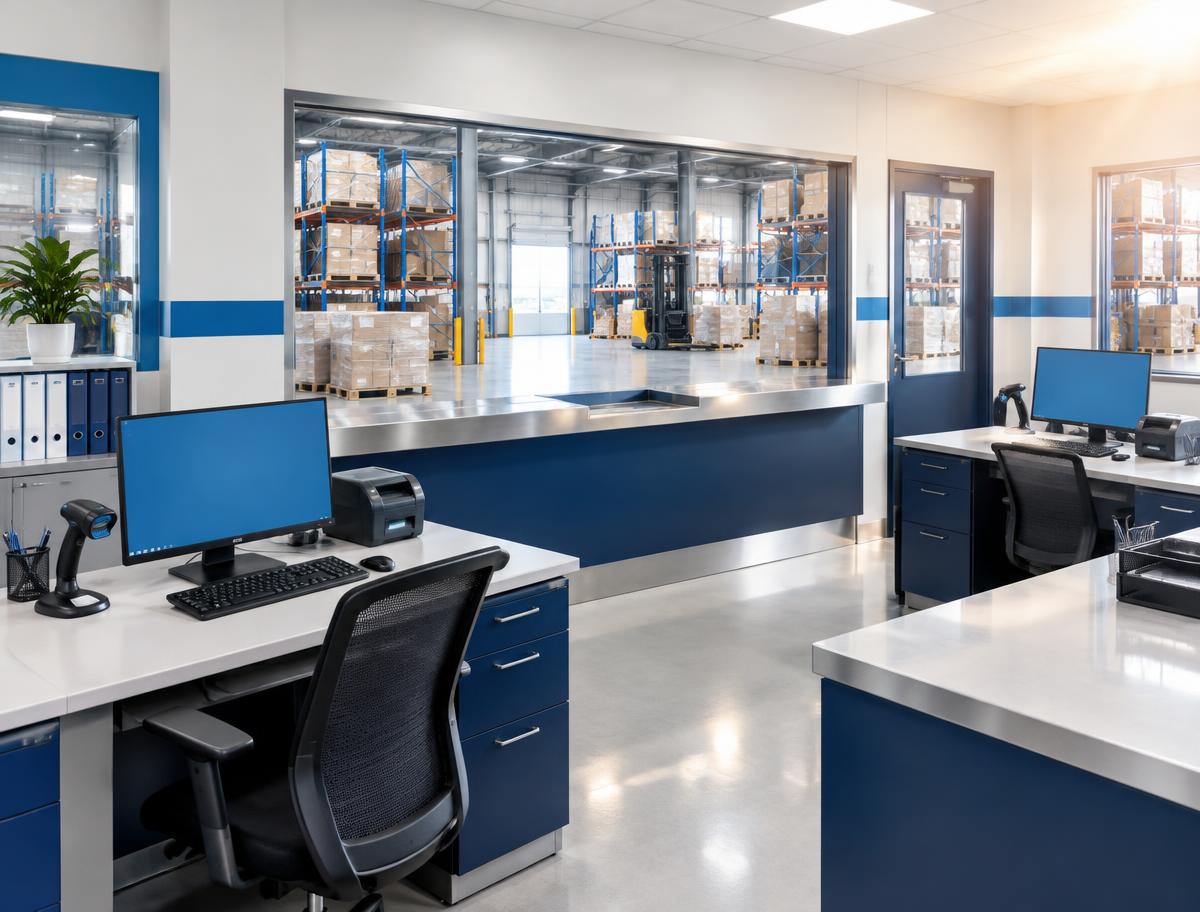
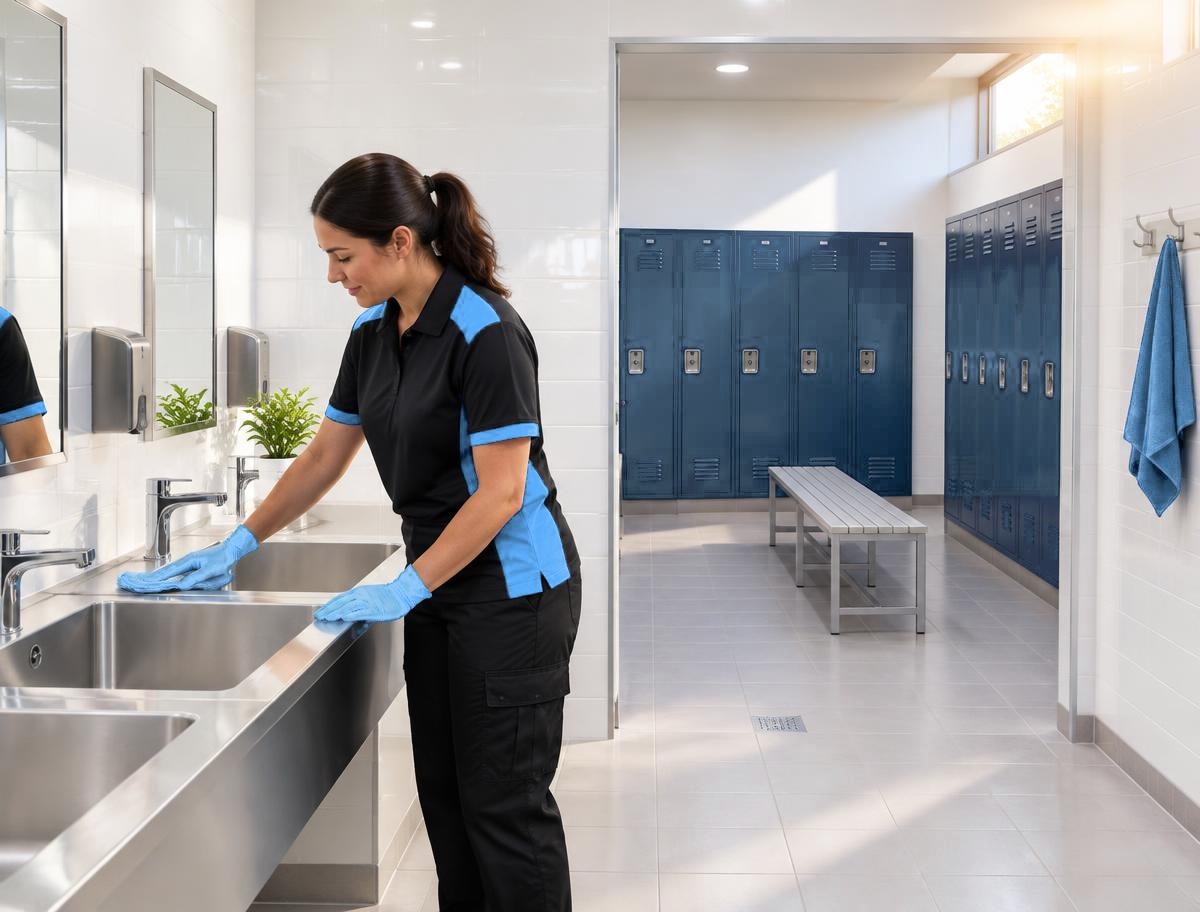
Entrances, washrooms, offices, breakrooms, and shared workstations require consistent daily attention. Routine service maintains hygiene standards, reduces clutter, and keeps staff-facing areas ready throughout extended shifts.
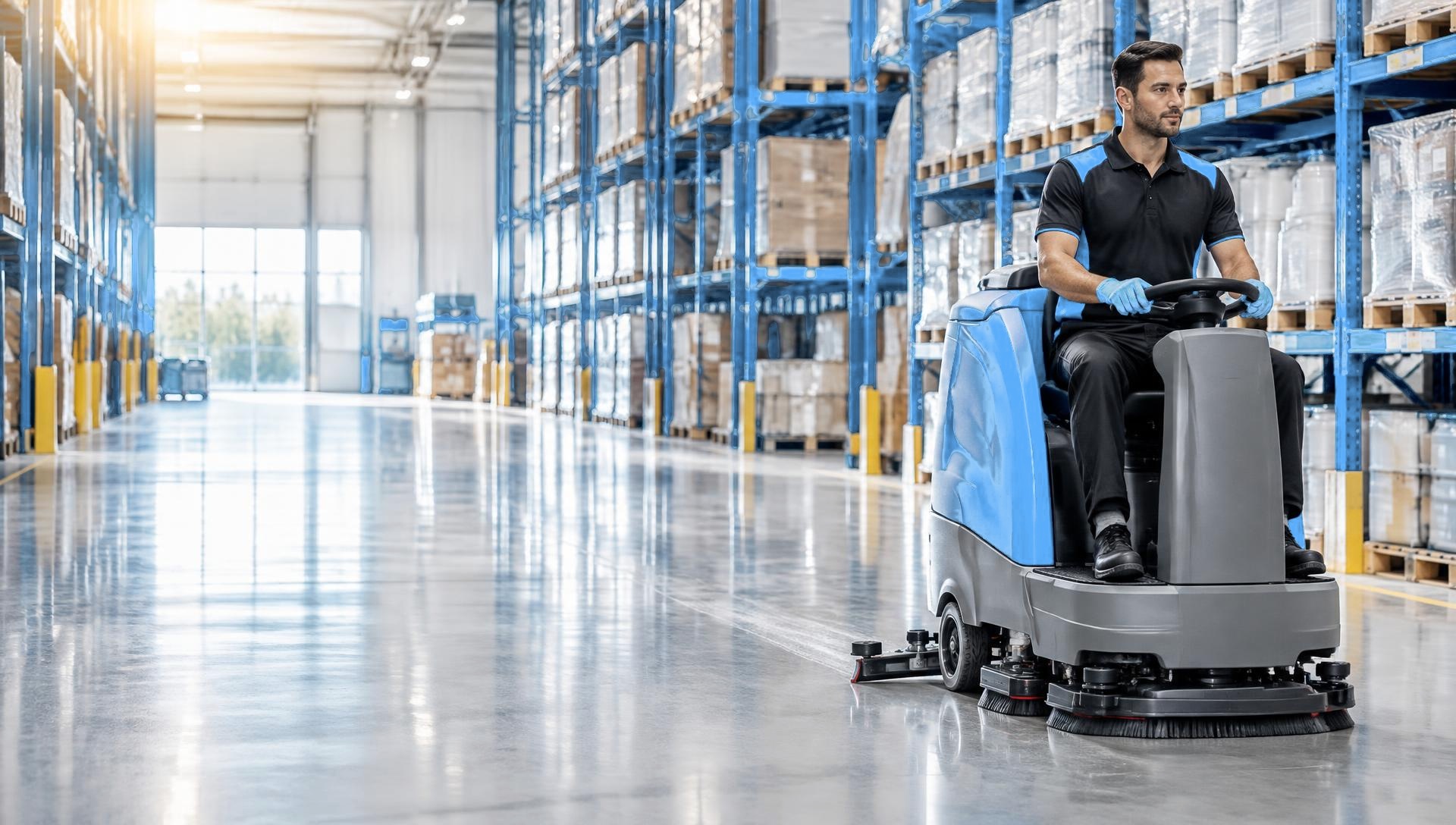
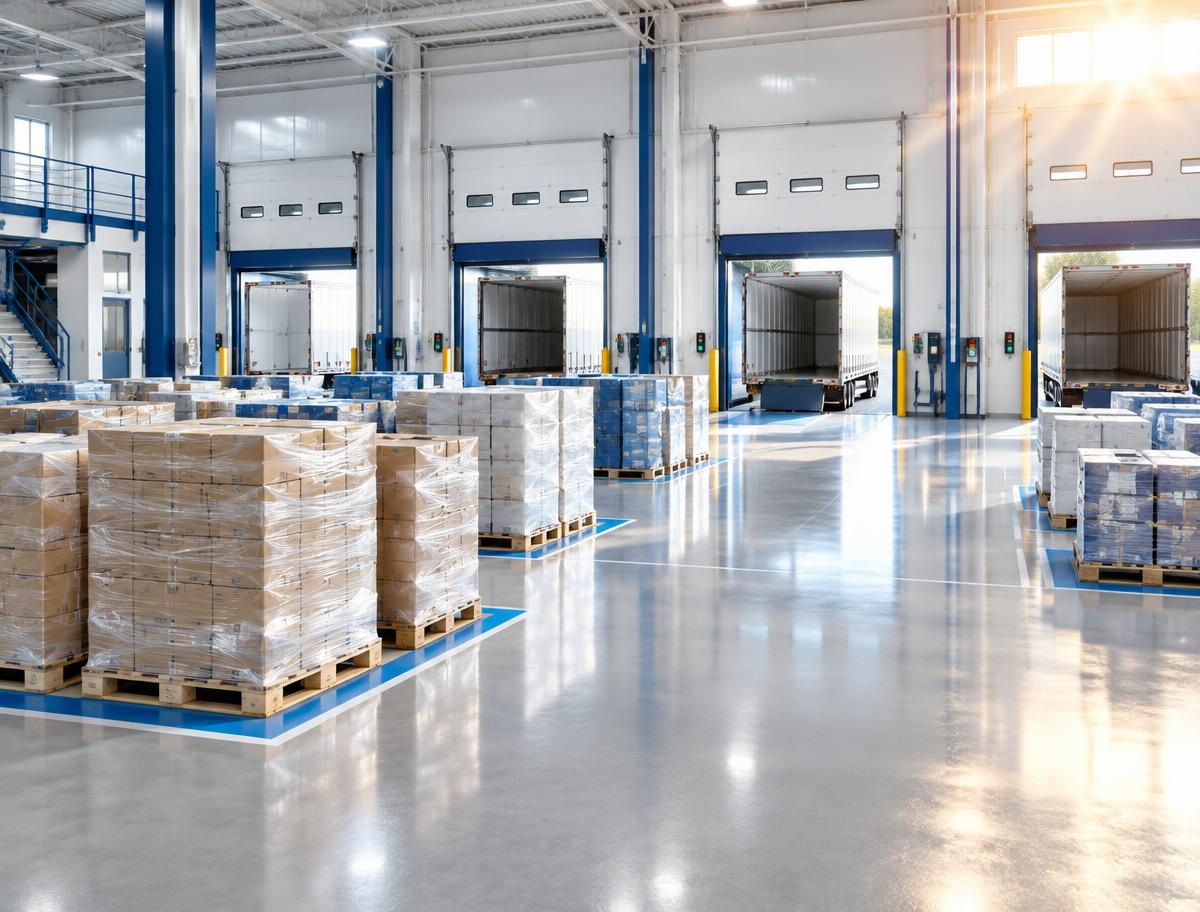
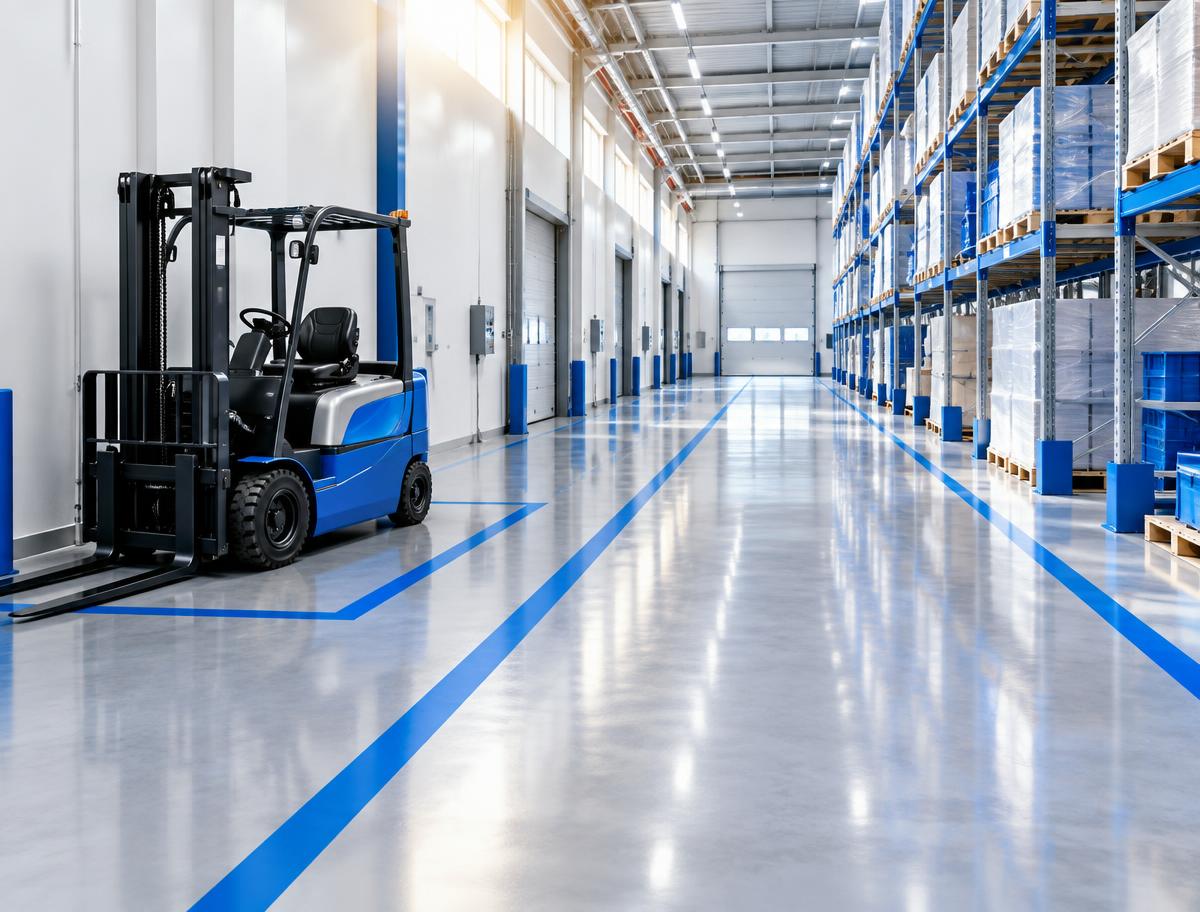
Docks, aisles, corridors, and staging zones are cleaned when traffic is reduced. This timing allows thorough floor care, debris removal, and moisture control without interfering with loading or fulfillment activity.
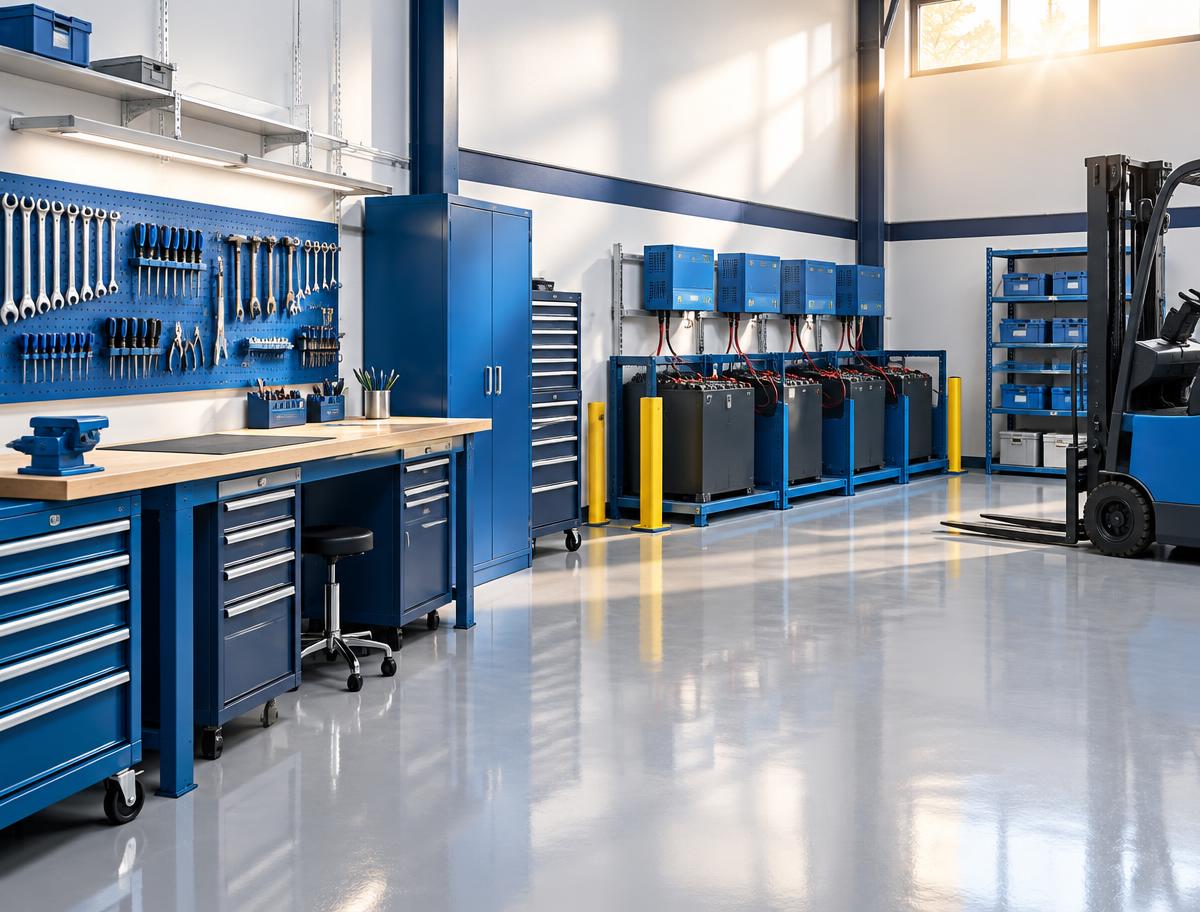
Deep cleaning targets areas affected by gradual buildup, including concrete floors, ventilation points, overhead structures, and machine-adjacent zones. Scheduled deep service supports long-term facility condition and safety visibility.
Increased volume during holidays, promotions, or seasonal surges requires added cleaning capacity. Temporary schedule adjustments help maintain standards during high-demand periods.
Custom scheduling ensures cleaning remains synchronized with operational flow rather than disrupting it.
### What's included
Operational Cleaning Practices for Warehouse Managers
Position waste and recycling bins directly within staging and packing zones to limit debris migration into traffic lanes.
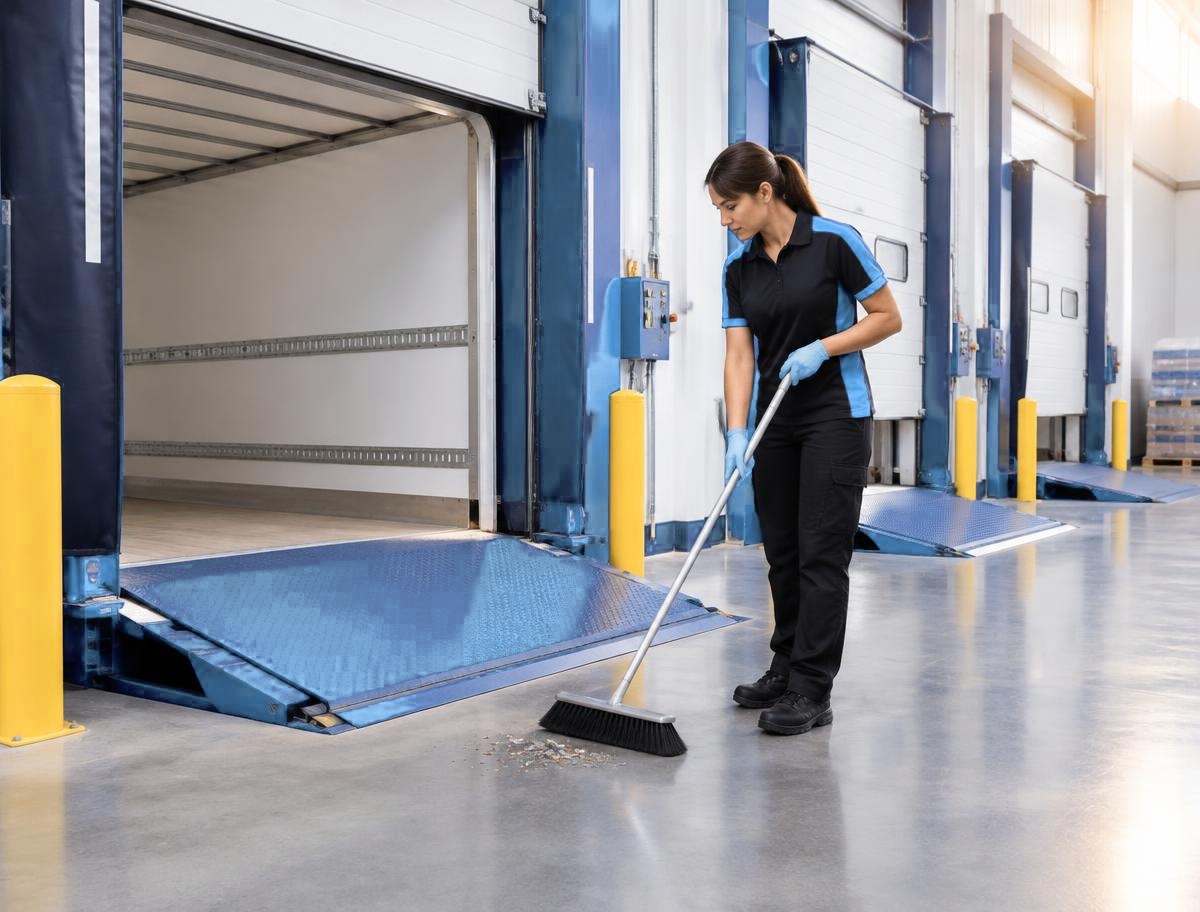
Routine monitoring of dock thresholds helps control moisture, grit, and residue before hazards develop.
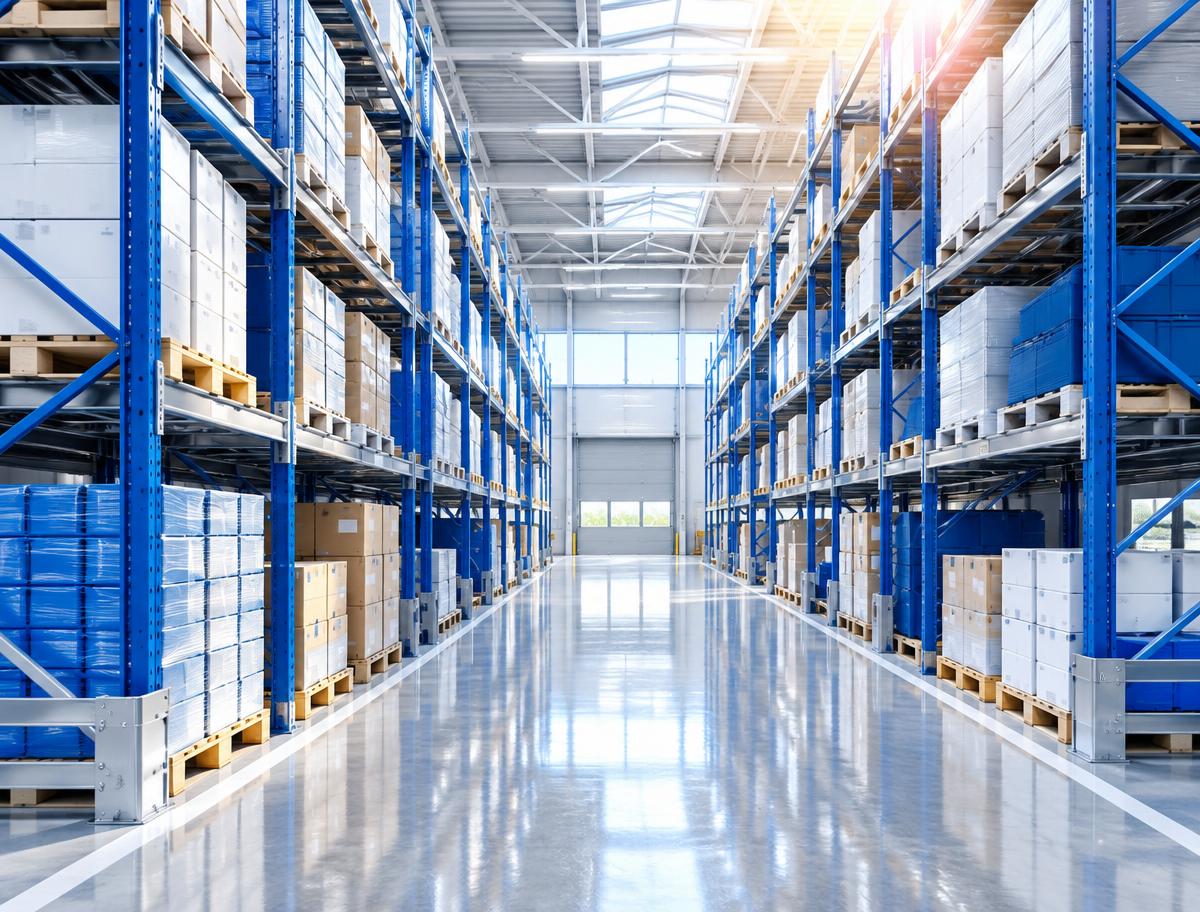
Racking systems, overhead beams, and low-airflow corners should be included in planned high-dusting schedules.
Clear, unobstructed lines and directional markings support predictable equipment movement and compliance visibility.
Strategic placement of sanitizing stations near entrances, breakrooms, and time-clock areas supports consistent staff use.