Overview
Office Environments Inside Water Treatment Plants Require Disciplined Cleaning
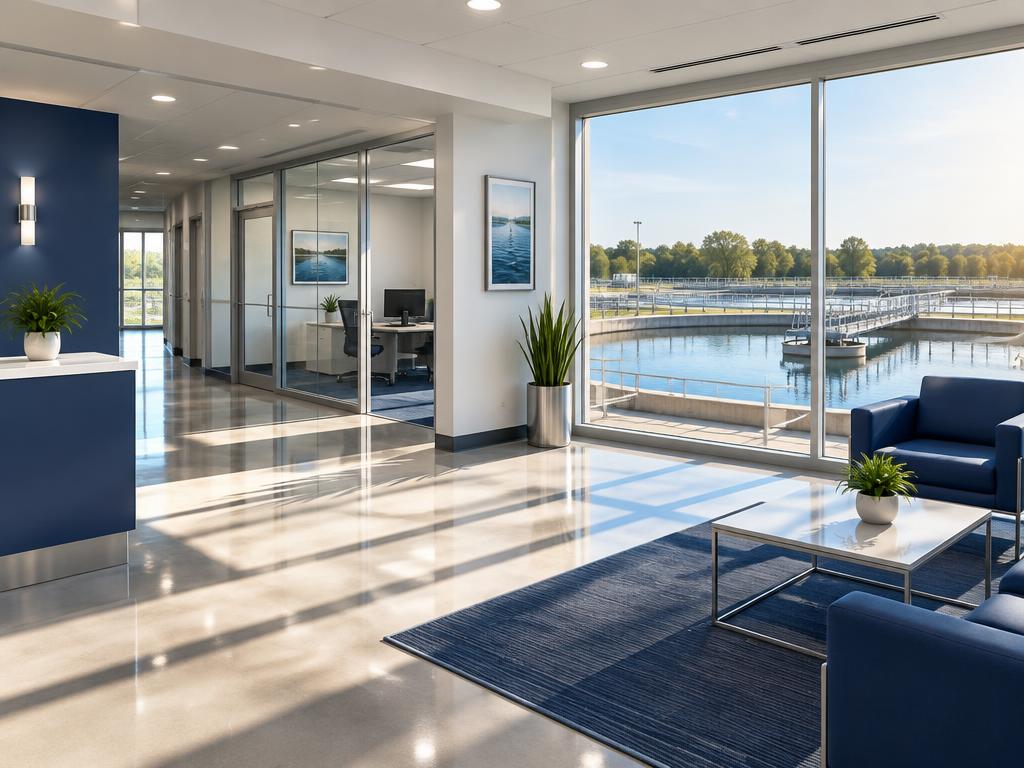
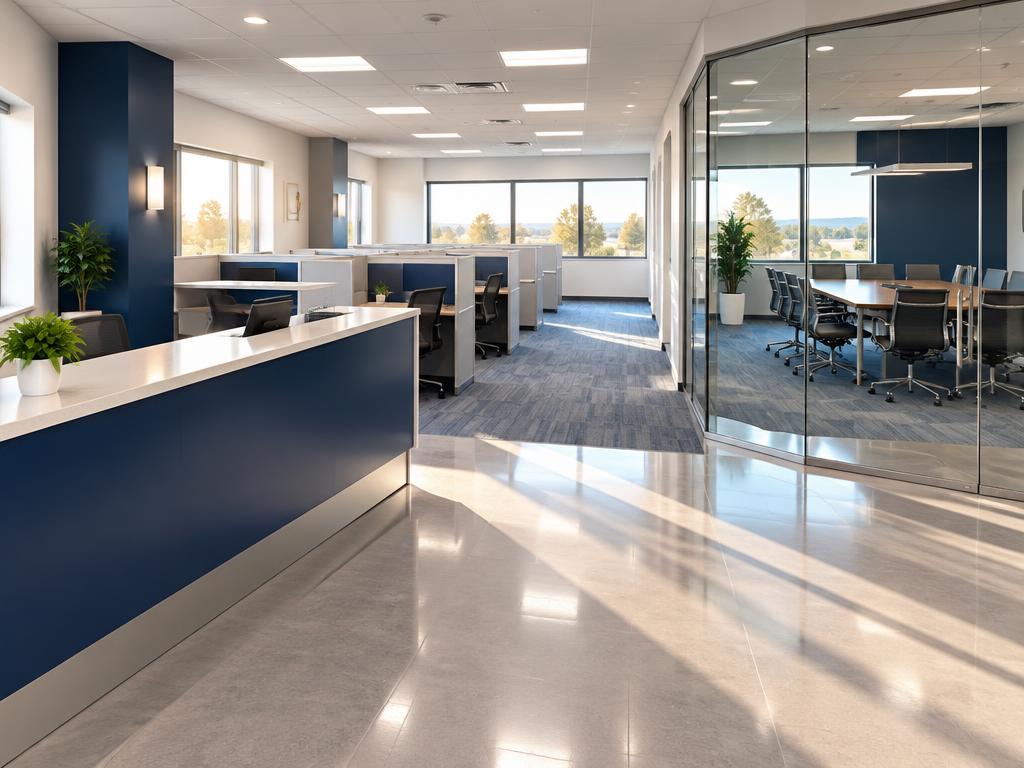
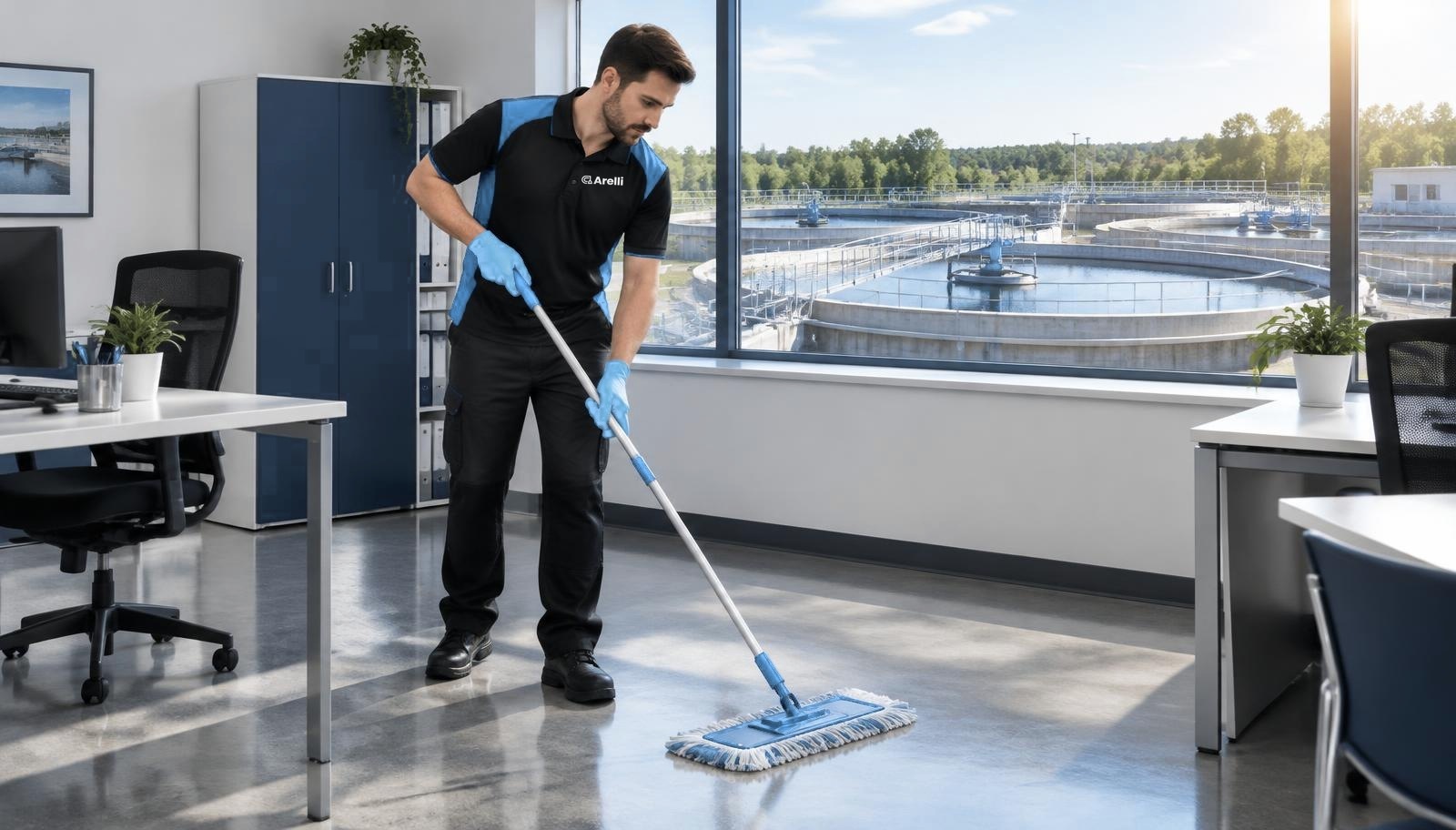
Office spaces within water treatment plants support compliance reporting, operational coordination, safety oversight, and administrative management. These offices often operate alongside control rooms, laboratories, mechanical corridors, chemical storage areas, and secured access zones. Daily staff movement between technical and administrative areas introduces moisture, residue, dust, and exterior debris into offices, hallways, and shared rooms.
Plant operating conditions increase exposure to wet footwear, airborne particles, and utility-related residue. Without a structured cleaning program, workspaces lose order, floors present safety risks, and documentation areas fall short of inspection expectations during audits and regulatory reviews.
Arelli Cleaning provides commercial cleaning for water treatment plant administrative offices, compliance rooms, operations offices, and support areas. Cleaning programs align with plant schedules, access controls, and environmental facility standards required for regulated operations.
Daily Realities Inside Water Treatment Plant Office Buildings
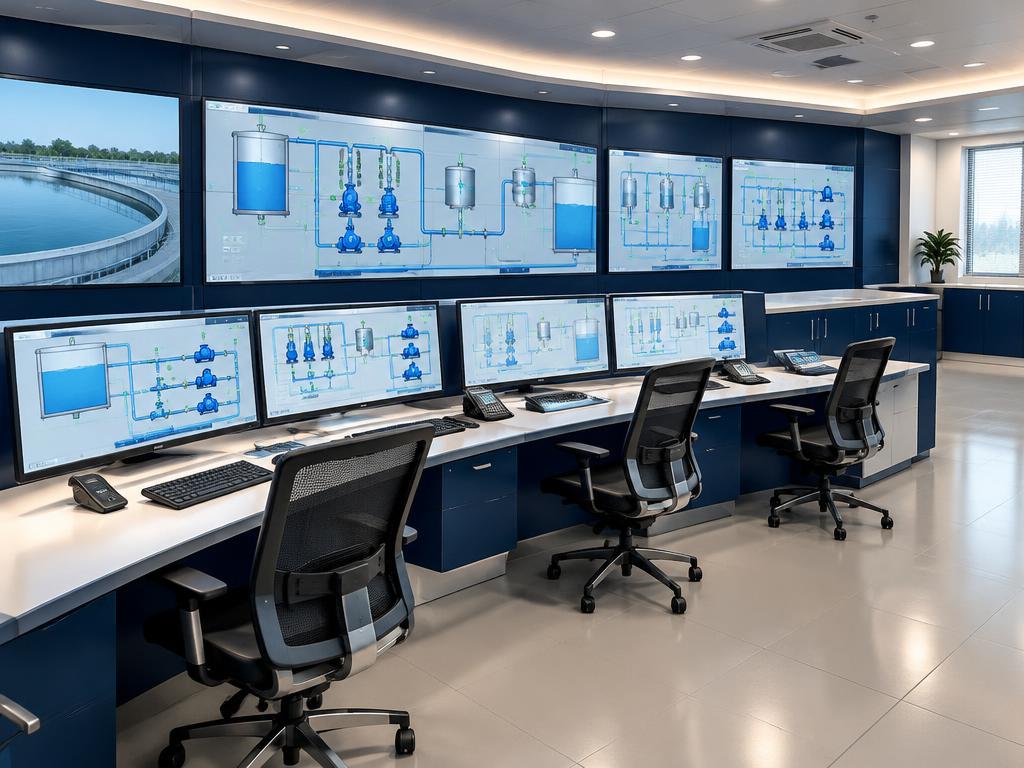
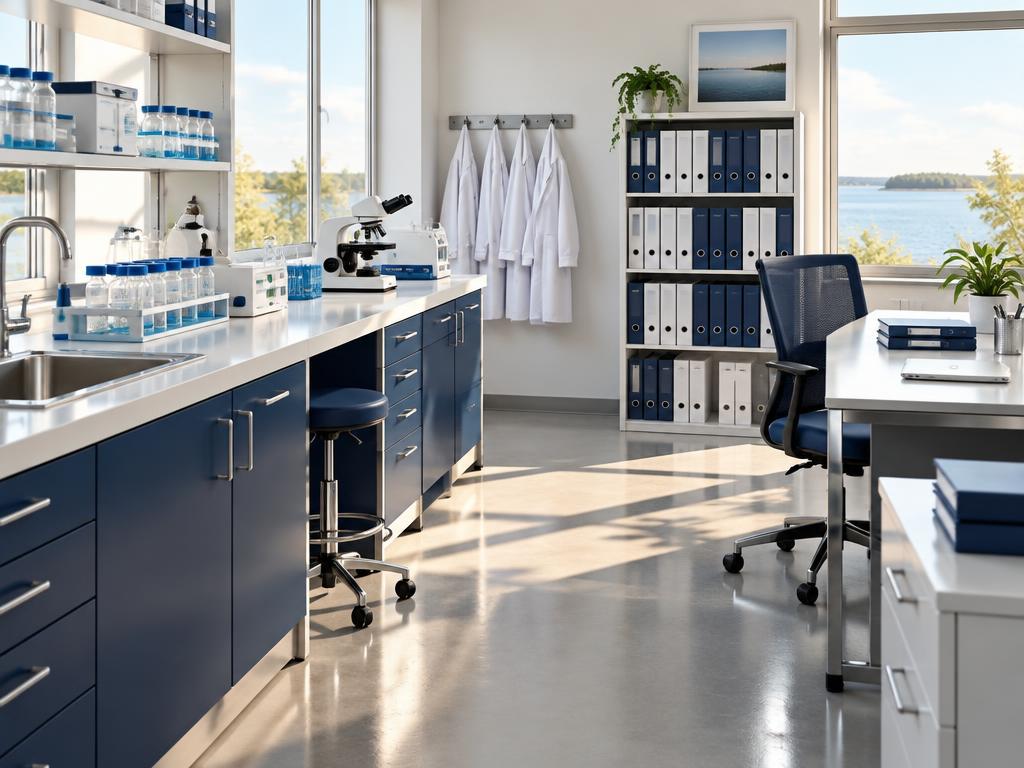
Office environments within water treatment plants function alongside treatment systems, utility corridors, laboratories, and controlled-access plant zones. Cleaning schedules must support continuous operations, extended shifts, and limited downtime during active treatment cycles.
Movement Between Office and Plant Zones — Staff regularly move between offices, control rooms, laboratories, and operational areas throughout the day.
Moisture and Residue Near Entry Points — Water exposure near plant entrances and utility corridors increases floor care and slip-prevention requirements.
Dust and Particulate Migration — Fine particles from mechanical and filtration areas enter offices through shared air paths and access routes.
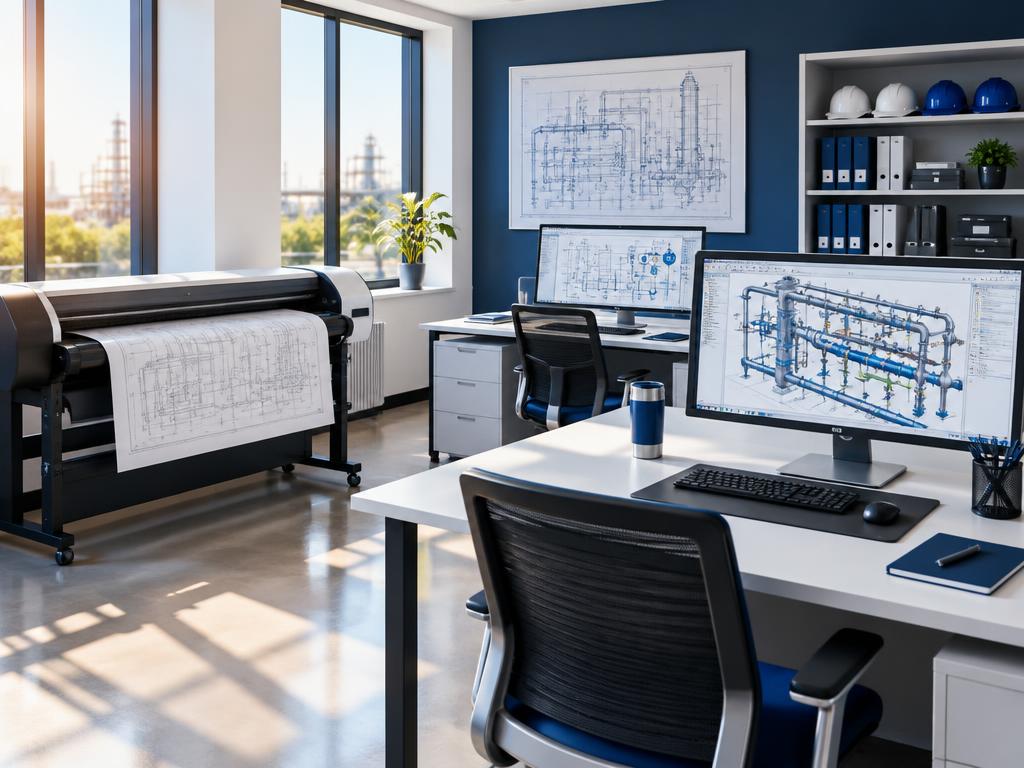
High Volume of Technical Documentation — Daily handling of logs, permits, safety records, and reports increases surface contact across workstations.
Extended Operating Hours — Many plants operate beyond standard office hours, limiting windows for uninterrupted cleaning.
Frequent External Access — Inspectors, engineers, contractors, and municipal staff access offices and meeting rooms regularly.
Cleaning routines must maintain cleanliness without interfering with operational flow or regulatory activity.