
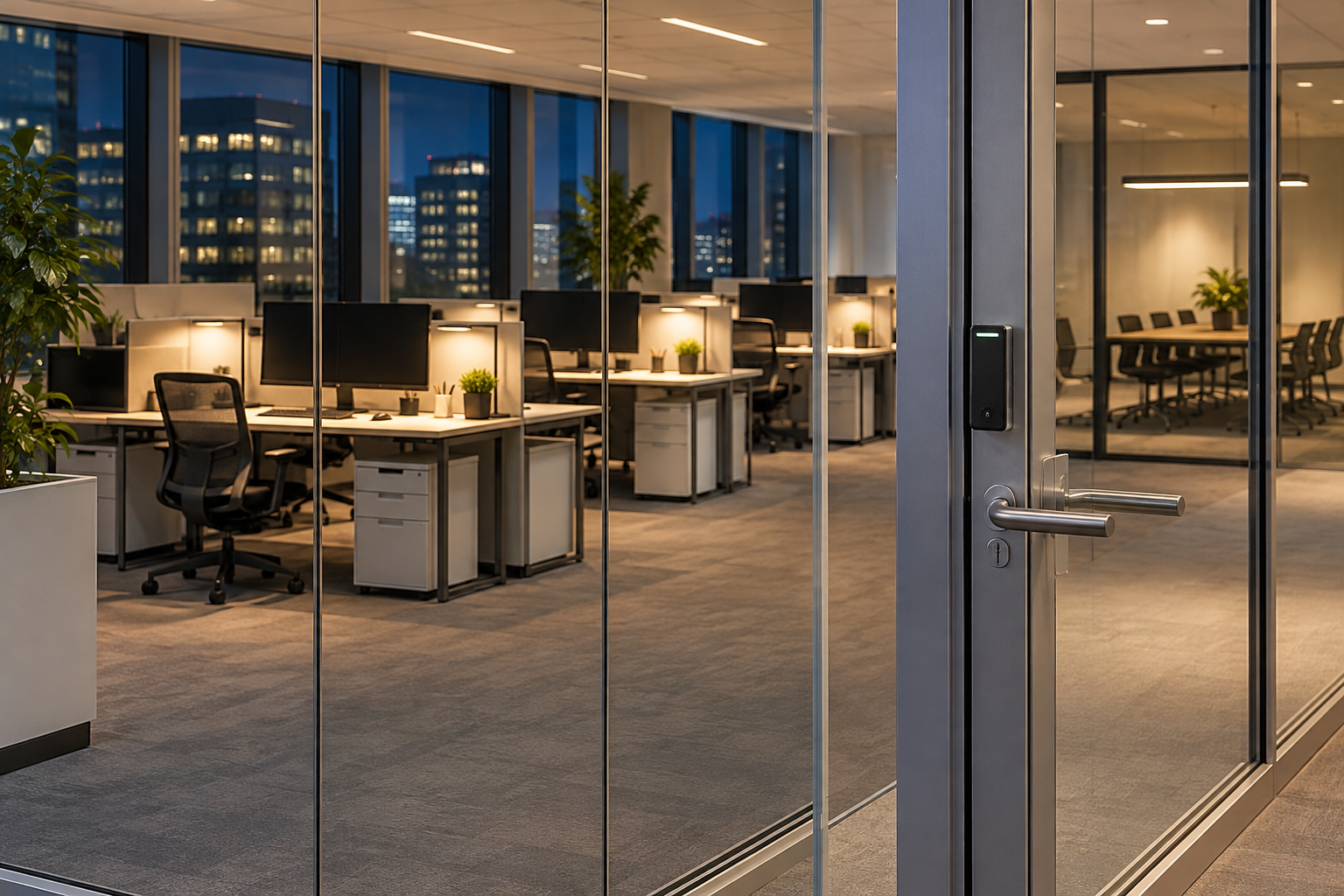
After-hours office cleaning needs more than an arrival time. Someone must authorize access, define the work, protect restricted areas and decide what happens when a visit cannot proceed.
These answers are contract-planning guidance for Ontario offices. They do not describe standard Arelli policies or replace site-specific safety, privacy or legal advice. Document responsibilities in the agreement and approved instructions; applicable legal duties remain in force.
What does “after-hours” include?
It describes the service window, not a standard package. Evening, overnight and weekend visits can have different access and occupancy conditions. Define start and finish times, holidays and unexpected occupancy. Separately list rooms, tasks and frequencies. A later arrival does not automatically include deep cleaning or confidential-waste handling.
Who authorizes entry?
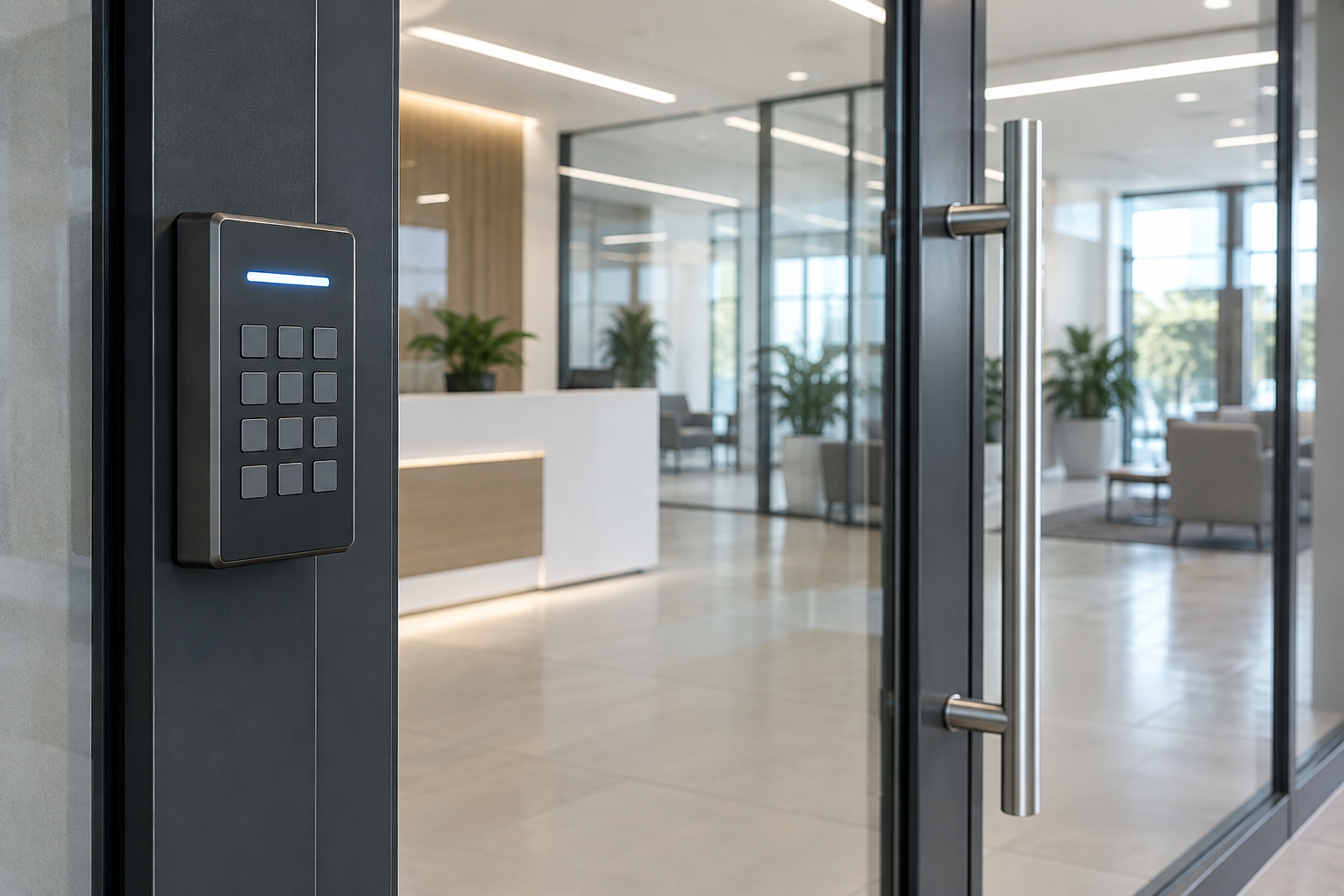
Identify the person or organization authorized to approve access. Leased offices may need coordination among the tenant, property manager and security. Record doors, routes, sign-in rules and elevator restrictions. Instructions should come from the designated authority, not conflicting directions from whoever remains onsite.
How should keys and fobs be controlled?
Specify who issues credentials, who receives them, whether sharing is prohibited and how returns or deactivation work. Keep actual credentials out of ordinary task sheets and general logs. Define prompt reporting for lost keys or suspected compromise, including who can disable access. An approved access method can be documented without exposing its code.
Who handles the alarm?
Only authorized, instructed people should operate it. Document who disarms and rearms, the approved sequence and the contact for faults. Agree how disputed alarm charges are reviewed. Neither every activation nor responsibility for the system automatically belongs to the cleaner. Site instructions must be usable during the actual shift.
What if nobody can get in?
Define failed-entry contacts, escalation, permitted waiting and recording arrangements before the first visit. Address rescheduling and applicable charges in the agreement. A cleaner should not need an unauthorized credential, a propped secure door or entry behind an unknown person to fulfil a visit.
What if employees are still working?
Instructions should say whether cleaners can work around occupants, defer rooms or call a representative. An employee asking for extra work may lack authority to change the scope. An occupied meeting room is not automatically a missed-service failure. Record the limitation and follow the agreed deferred-task process.
Which rooms and surfaces are included?
Use room- or zone-based scope distinguishing included, excluded and permission-only areas. State what may be cleaned and what remains untouched. Shared suites and common areas can have different agreements. Shared-office cleaning information can start the discussion, but the actual assignment belongs in the signed scope.
Should cleaners move papers or open drawers?
Do not leave that to individual judgment. Define desk-clearing expectations and whether only unobstructed surfaces are included. Where PIPEDA applies, the Privacy Commissioner’s safeguards guidance describes sensitivity-appropriate protection, including restricted access and locked cabinets. A confidentiality agreement does not replace physical safeguards. The applicable legislation depends on the organization and information.
Is confidential-waste handling included?
Only if expressly agreed. Ordinary waste removal is not authorization to empty locked consoles, sort documents or destroy records. Specify containers, destination and handover. Where another provider handles secure destruction, distinguish that service from cleaning. Uncertainty about a container should trigger a question—not an assumption that nearby items are disposable.
Who supplies products and safety information?
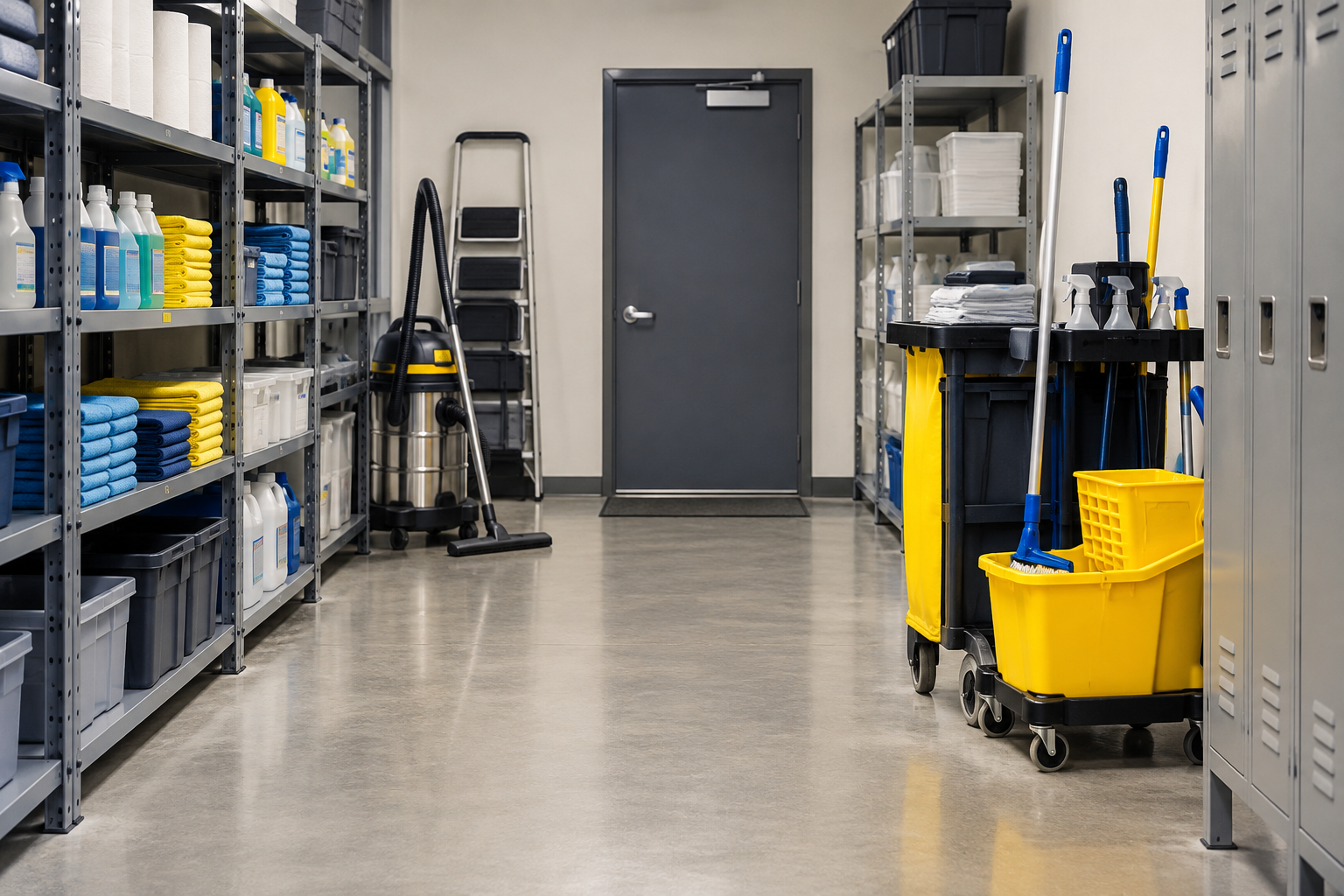
Define product and equipment supply, storage and communication of site hazards. Ontario’s WHMIS regulation addresses worker education, labels and safety data sheets within its application. Arrangements must let workers access necessary information during their shift. Contract wording does not remove statutory duties; parties should confirm their respective responsibilities before work begins.
What changes when someone works alone?
Assess actual conditions instead of assuming an empty office is safe. Consider communication, emergency assistance, building access and tasks requiring precautions. Ontario OHSA guidance describes information, instruction, supervision and reasonable-precaution duties. Provider arrangements and client site information should fit together. Check-ins should reflect the assessment, not an invented universal interval.
What happens after damage or a security concern?
Agree immediate notification and escalation, with emergency services where appropriate. Identify recipients for damage, unsecured doors, unexpected people or suspected privacy exposure. Routine logs should contain necessary facts—not alarm codes or photographs of confidential records. Use approved sensitive-information channels. Reporting does not require investigation beyond the cleaner’s role.
What should the closing check confirm?
Define completed and deferred tasks, remaining occupants and relevant doors, lighting and authorized alarm checks. “Last person out” is insufficient unless responsibility is understood. Exceptions need a recipient and follow-up route. A departure log should distinguish verified conditions from those that could not be checked, not imply everything was secure without evidence.
How are scope changes approved?
Name the authorized representative and the process for additional work. Specify how temporary changes, event cleanup or restricted-room access are documented. An urgent request should still have a clear decision-maker and safety assessment. Keep the current instructions available so workers are not relying on outdated messages.
What should we bring to a quotation?
Provide the floor plan, occupancy window, access authority, restricted-room list, proposed tasks and known hazards. Ask which responsibilities belong to the office, management and provider and how changes receive approval. Request an Arelli quote to discuss the arrangement, then confirm access, security and scope in writing rather than assuming they accompany every after-hours visit.